Athlete’s Foot Explained: What Causes It and How to Treat It Effectively
Burning, itching, or peeling skin on your feet may seem like a minor inconvenience, but these symptoms often point to athlete’s foot—a common yet persistent fungal infection. While it affects millions of people worldwide, athlete’s foot is frequently underestimated and left untreated, allowing discomfort to linger and the infection to spread.
From a medical spa and skin health perspective, athlete’s foot deserves timely attention. Understanding how it develops, who is most at risk, and how to manage it properly can prevent recurring flare-ups and protect overall skin integrity.
Understanding Athlete’s Foot
Athlete’s foot, clinically referred to as tinea pedis, is a fungal infection that targets the skin of the feet. It is caused by fungi that thrive in warm, dark, and moist environments—conditions commonly created by closed shoes and prolonged sweating.
Although the name suggests it affects athletes exclusively, this condition can develop in anyone. The fungus spreads through direct contact with infected skin or contaminated surfaces such as locker room floors, gym showers, swimming pools, and shared footwear. It can affect one or both feet and may spread to toenails or other areas of the body if left untreated.
Signs You Should Not Ignore
Athlete’s foot presents differently depending on severity and location, but the most common symptoms include:
-
Persistent itching or burning sensation
-
Red, scaly, or flaky skin
-
Cracking or peeling, especially between the toes
-
Dryness or thickened skin on the soles
-
Occasional blistering or irritation
Symptoms often worsen after wearing shoes for extended periods or when feet remain damp. Because fungal infections do not typically resolve on their own, ongoing symptoms are a signal to begin treatment promptly.
Why Athlete’s Foot Develops
Fungi responsible for athlete’s foot multiply quickly in environments where moisture is trapped. Common contributing factors include:
-
Wearing tight, non-breathable shoes
-
Prolonged sweating or damp socks
-
Poor foot hygiene or incomplete drying
-
Walking barefoot in public or communal areas
-
Sharing towels, shoes, or socks
Once the skin barrier is compromised, fungi can penetrate the outer layers of the skin, leading to inflammation, itching, and scaling.
Treatment Options That Work
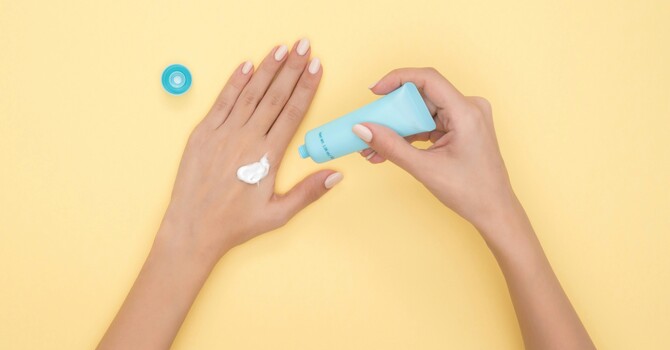
Most cases of athlete’s foot can be effectively treated with over-the-counter antifungal products. These treatments are available in creams, sprays, powders, and applicator pens. The most widely studied and recommended antifungal ingredients include clotrimazole, terbinafine hydrochloride, tolnaftate, and butenafine hydrochloride.
For successful treatment:
-
Wash and thoroughly dry feet before application
-
Apply medication exactly as directed, usually once or twice daily
-
Continue treatment for the full recommended duration, even if symptoms improve early
Consistency is essential. Stopping treatment too soon may allow the fungus to survive and cause recurrence. For severe, widespread, or recurring infections, professional evaluation is advised. Prescription-strength treatments may be required in these cases.
Who Is Most at Risk?
While anyone can develop athlete’s foot, certain groups are more susceptible. Athletes are at higher risk due to frequent sweating and shared facilities. Individuals with excessive sweating (hyperhidrosis), compromised immune systems, diabetes, or existing skin conditions may also experience more frequent or stubborn infections.
Environmental exposure combined with lifestyle habits often determines risk level. The good news is that preventive care significantly reduces recurrence.
Preventing Athlete’s Foot Recurrence
Prevention plays a critical role in long-term foot and skin health. Simple daily habits can help protect against fungal overgrowth:
-
Keep feet clean and dry at all times
-
Change socks daily or more often if sweating occurs
-
Choose breathable shoes and rotate them regularly
-
Avoid walking barefoot in public spaces
-
Use antifungal sprays or powders preventively if prone to sweating
Maintaining a healthy skin barrier is one of the most effective defenses against fungal infections.
A Professional Approach to Skin Wellness
At a skincare and wellness med spa, we view conditions like athlete’s foot as part of a broader skin health conversation. Recurrent fungal infections may signal underlying issues such as excessive moisture, compromised immunity, or lifestyle factors that require attention.
By addressing athlete’s foot early and adopting preventive strategies, you not only relieve discomfort but also support healthier skin from the ground up. When in doubt—or when symptoms persist—professional guidance ensures your skin receives the care it needs to heal properly and stay resilient.
For skincare concerns, please call us at 619-952-8294
Or you may send us an email at holistic@beautymedspasd.com