GLP-1 and Skin Health: What Patients Should Know
Glucagon-like peptide-1 receptor agonists (GLP-1 RAs), including medications such as semaglutide (brand names Ozempic and Wegovy), tirzepatide (Zepbound, Mounjaro), and liraglutide (Saxenda), are widely prescribed for type 2 diabetes and weight management. These drugs mimic the incretin hormone GLP-1, helping regulate blood glucose and suppress appetite. While their metabolic benefits are well documented, increasing public and clinical interest has focused on how these therapies may affect skin health — both directly and indirectly.
Facial Changes and “Ozempic Face”
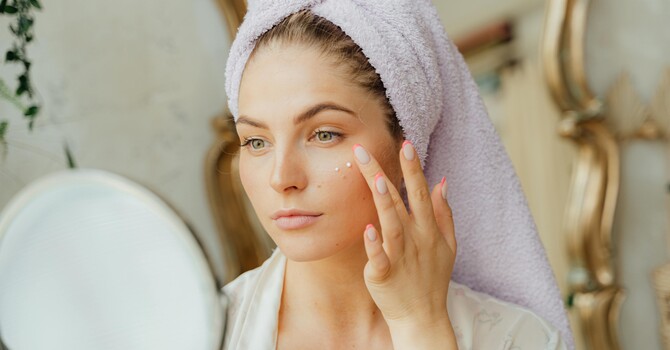
A frequently discussed phenomenon in both medical literature and popular media is the so-called “Ozempic face,” a term used to describe a hollowed, aged appearance in the face that some people notice after significant weight loss on GLP-1 therapy. Medically, this is not a standardized clinical diagnosis, but it reflects observable cosmetic changes resulting from rapid fat depletion beneath the skin’s surface. As subcutaneous fat is reduced, particularly in areas like the cheeks and temples, the skin has less structural support, leading to sagging, wrinkles, and a more tired or sunken look.
The extent of these changes varies significantly among individuals and is influenced by factors such as the speed and amount of weight loss, age-related skin elasticity, and baseline facial fat distribution. Rapid weight loss — typical with GLP-1 treatments — can outpace the skin’s ability to retract, resulting in looseness or laxity. This outcome is not unique to medication-induced weight loss; similar effects can occur with any form of rapid weight reduction.
Cellular and Structural Mechanisms
Emerging research suggests potential mechanisms that extend beyond simple fat loss. GLP-1 receptor agonists may interact with cells in the skin and underlying adipose tissue. For example, adipose-derived stem cells (ADSCs) and dermal fibroblasts express GLP-1 receptors. Stimulation of these receptors may reduce ADSC cytokine production, potentially increasing oxidative stress and impairing collagen synthesis — two factors that could accelerate visible aging of the skin. Additionally, alterations in dermal white adipose tissue may affect elasticity, hydration, and resilience.
Conversely, some mechanistic pathways indicate potential skin benefits related to metabolic and inflammatory modulation. GLP-1 RAs have been shown to reduce the formation of advanced glycation end products (AGEs), compounds that accelerate skin aging through collagen cross-linking. By inhibiting AGE pathways, these medications might indirectly support aspects of skin health.
Dermatologic Side Effects
Skin reactions directly linked to GLP-1 therapy are relatively uncommon. The most documented dermatologic side effects involve injection-site reactions, such as redness, itching, swelling, and mild discomfort, typically resolving without intervention. Rare allergic responses like urticaria, generalized rash, or pruritus have been reported in post-marketing surveillance. Reports of hair thinning or alopecia also appear in anecdotal case reports, usually associated with rapid weight loss rather than the pharmacologic action of the drug itself.
In contrast, preliminary clinical reviews suggest potential therapeutic benefits for certain inflammatory skin disorders, such as psoriasis and hidradenitis suppurativa, due to the anti-inflammatory effects of GLP-1 RAs. However, this evidence is limited and based on small-scale studies or case reports, requiring further research before clinical recommendations can be made.
Supporting Skin Health During GLP-1 Therapy
Patients undergoing GLP-1 therapy can take proactive steps to support skin health:
-
Manage weight loss pace: Gradual weight loss may reduce the degree of skin laxity.
-
Optimize nutrition: Adequate protein, essential fatty acids, vitamins, and minerals support collagen formation and skin integrity.
-
Skincare regimen: Topical ingredients such as hyaluronic acid, peptides, antioxidants, and sunscreen help maintain moisture, barrier function, and resilience.
It is important to emphasize that cosmetic changes associated with GLP-1 therapies are multifactorial and highly individualized. Patients considering or using GLP-1 medications should discuss potential aesthetic changes with their healthcare provider as part of a comprehensive treatment plan.
The content in this blog is for informational purposes only and is not a substitute for professional medical advice, diagnosis, or treatment. Always consult your doctor or a qualified healthcare provider before trying new healthcare protocols.