
In the pursuit of luminous, resilient skin, the modern consumer is armed with an unprecedented arsenal of products, trends, and advice. Yet, paradoxically, more access often leads to more damage.
Beneath the glow of curated routines lies a quieter truth: many are unknowingly compromising their skin barrier in the name of improvement. Here, we dissect the ten most common skincare missteps—through both a clinical and editorial lens—and how to correct them.
1. Over-Exfoliating in the Name of Glow
Chemical exfoliants promise radiance, but excessive use disrupts the skin’s protective barrier. This leads to sensitivity, inflammation, and even breakouts—the very concerns exfoliation aims to resolve.
2. Layering Actives Without Strategy
Retinoids, AHAs, BHAs, and vitamin C each have their place. Used together indiscriminately, however, they can trigger irritation and compromise efficacy. Precision, not abundance, defines an effective regimen.
3. Neglecting Sunscreen Daily
Ultraviolet exposure remains the primary driver of premature aging and hyperpigmentation. Skipping sunscreen—even on cloudy days—renders most anti-aging efforts clinically ineffective.
4. Chasing Trends Over Skin Needs
From “glass skin” to viral ingredient fads, trend-driven routines often ignore individual skin biology. What works for one may inflame another. Personalized care always outperforms popularity.
5. Using Harsh Cleansers That Strip the Barrier
A squeaky-clean finish is not a sign of health. Overly aggressive cleansers remove essential lipids, leaving the skin vulnerable to dehydration and irritation.
6. Skipping Moisturizer for Oily or Acne-Prone Skin
A persistent myth suggests that oily skin requires less hydration. In reality, dehydration can trigger increased sebum production, exacerbating breakouts.
7. Inconsistent Skincare Routines
Results in skincare are cumulative. Sporadic use of products—especially actives—prevents the skin from adapting and responding effectively.
8. Ignoring the Neck and Décolletage
These areas are structurally similar to the face yet often neglected. Early signs of aging frequently appear here due to thinner skin and sun exposure.
9. Picking and Over-Treating Acne
Manual extraction without proper technique increases the risk of scarring and post-inflammatory hyperpigmentation. Overuse of spot treatments can further inflame the skin.
10. Expecting Immediate Results
Skin regeneration operates on a biological timeline. Most treatments require weeks—not days—to demonstrate visible improvement. Impatience often leads to product-hopping and barrier damage.
The Takeaway: Less Chaos, More Clinical Intent
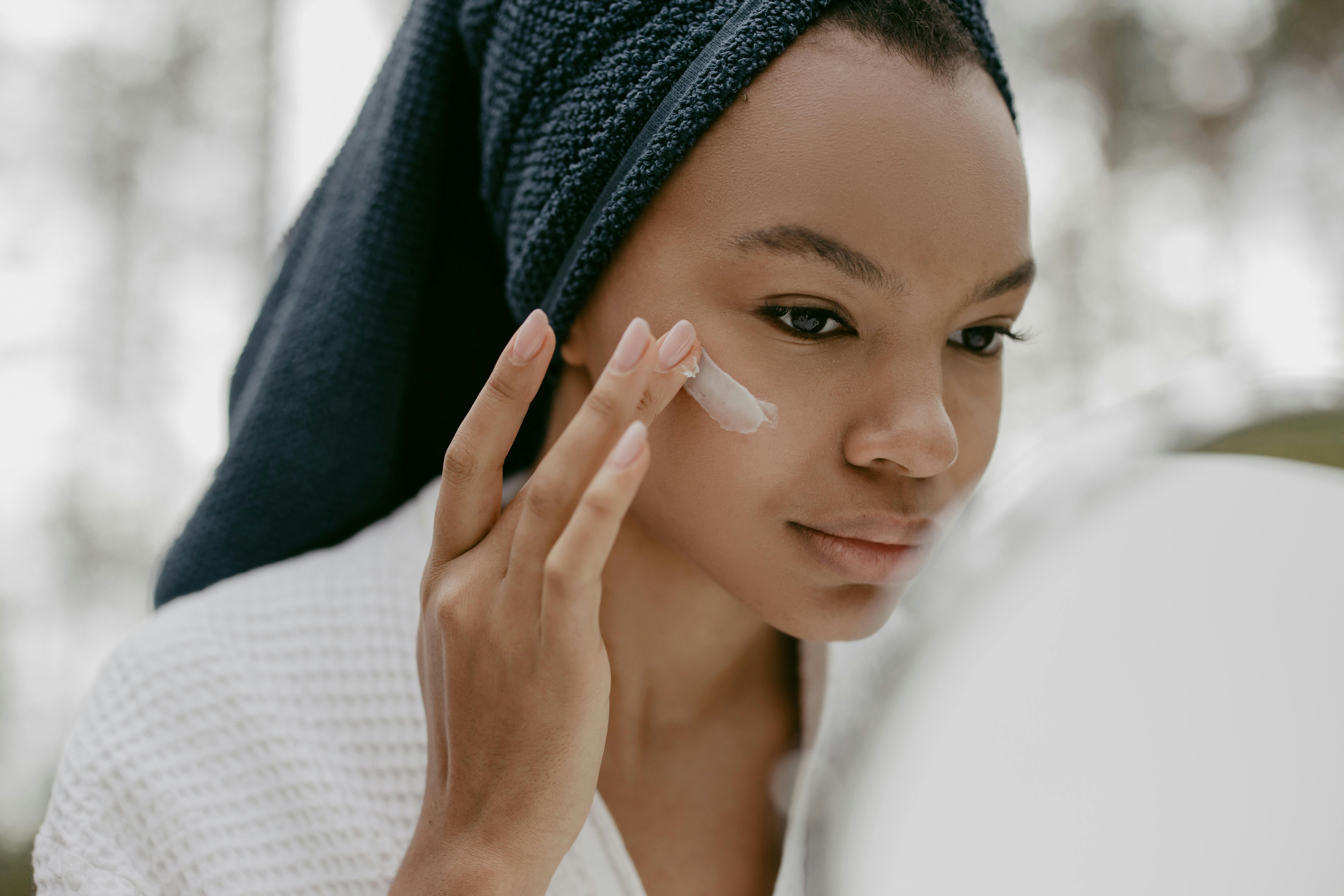
Healthy skin is not the result of excess but of equilibrium. A refined routine—anchored in gentle cleansing, targeted treatment, consistent hydration, and daily photoprotection—remains the gold standard across both dermatological practice and editorial consensus.
Ultimately, the most sophisticated approach to skincare is not maximalist, but intentional. In an era of endless options, restraint may be the most luxurious—and effective—choice of all.